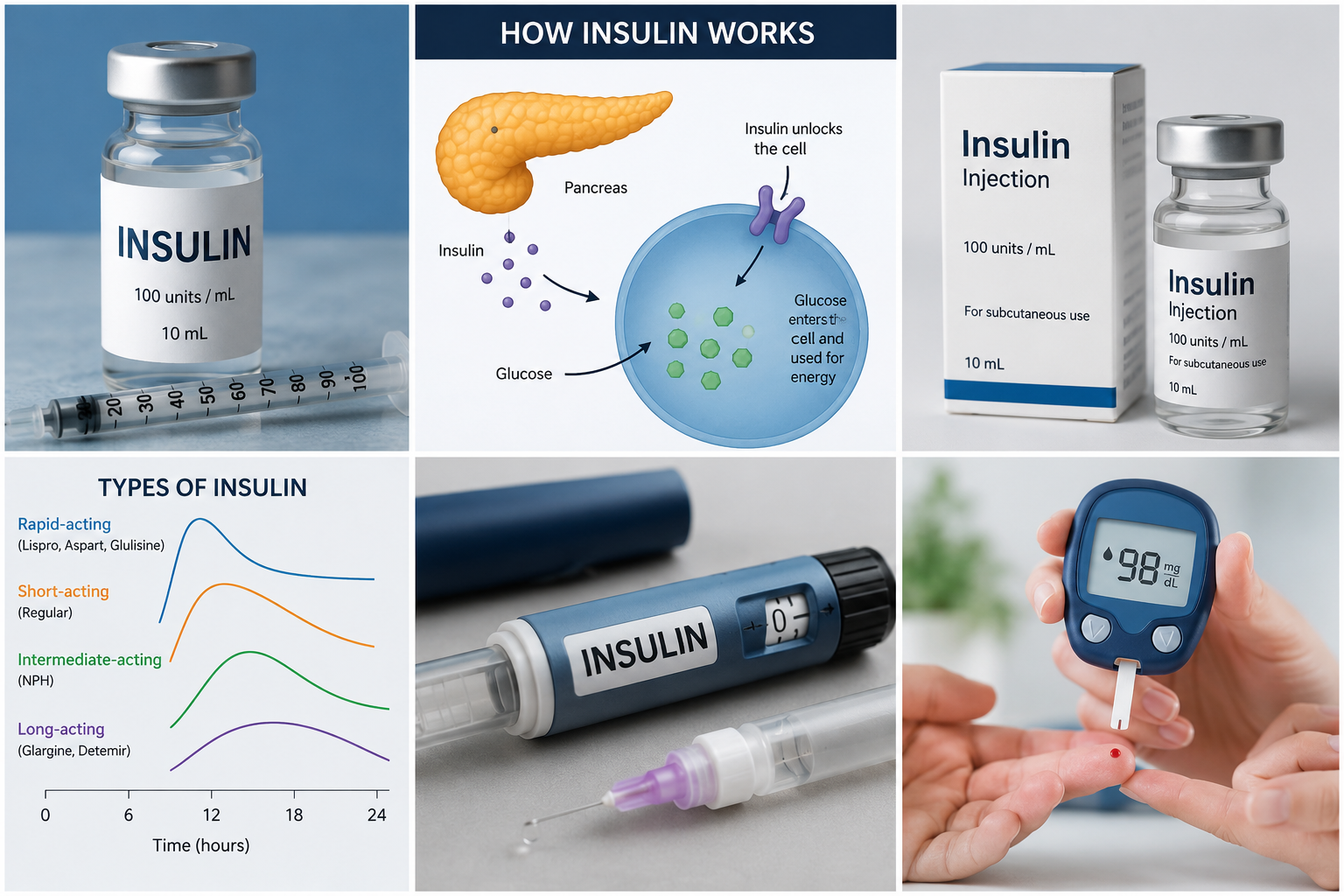
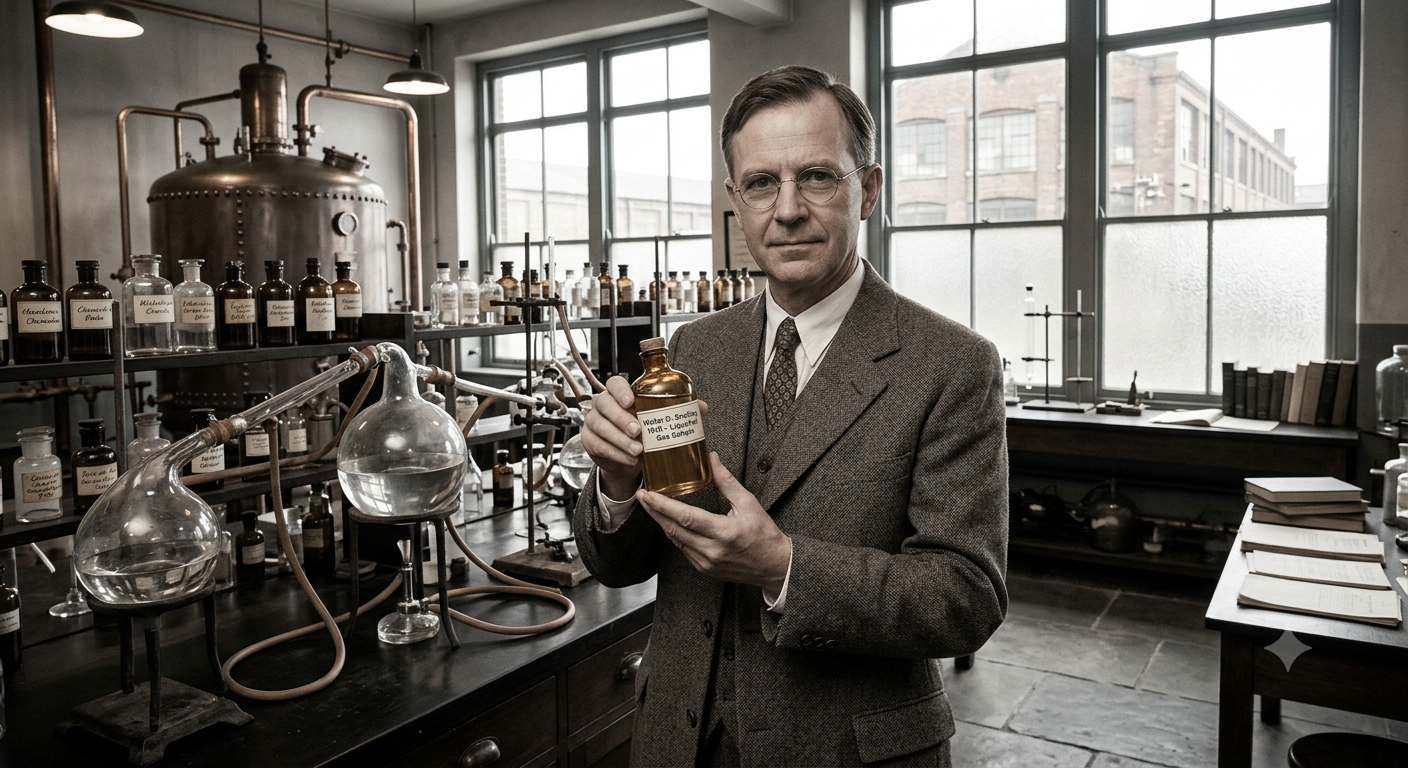
Sir Frederick Banting: The Man Who Changed the World with the Discovery of Insulin
Introduction
Throughout history, a handful of medical discoveries have dramatically changed the course of human civilization. Among these, the discovery of insulin stands as one of the greatest achievements in modern medicine. Before insulin was discovered, a diagnosis of Type 1 diabetes was almost always a death sentence. Children and young adults diagnosed with the disease often survived only a short time despite strict starvation diets that merely delayed the inevitable.
The man who helped change this tragic reality was Sir Frederick Grant Banting, a Canadian physician whose determination, creativity, and persistence led to one of the most important medical breakthroughs of the twentieth century. His work, together with Charles Best and colleagues at the University of Toronto, transformed diabetes from a fatal illness into a manageable condition and has saved millions of lives across the globe.
Awarded the 1923 Nobel Prize in Physiology or Medicine, Banting became one of the youngest Nobel laureates in history. His remarkable achievement remains a shining example of how scientific curiosity and compassion can improve humanity.
—
Early Life
Sir Frederick Grant Banting was born on November 14, 1891, in Alliston, Ontario, Canada. He was the youngest of five children in a hardworking farming family. Growing up in rural Canada taught him discipline, resilience, and the value of hard work.
Although he initially considered becoming a minister, Banting eventually chose medicine. He enrolled at the University of Toronto, where he studied medicine despite facing financial and academic challenges.
He graduated in 1916, just as World War I was intensifying.
—
Service During World War I
After earning his medical degree, Banting joined the Canadian Army Medical Corps.
During the war, he treated wounded soldiers under dangerous battlefield conditions. His bravery and dedication earned him the Military Cross, a prestigious military decoration recognizing courage under fire.
The experience shaped his character, strengthening his determination to save lives through medicine.
—
A Young Doctor Searching for Purpose
After returning from the war, Banting established a small medical practice.
Unfortunately, his practice struggled financially. He accepted a teaching position in physiology while continuing his medical work.
One evening in October 1920, while preparing a lecture about the pancreas, Banting read several scientific papers discussing diabetes. Inspired by these studies, he developed a bold hypothesis.
He believed that insulin could be isolated from the pancreas if the digestive enzymes that destroyed it were prevented from interfering.
This simple but revolutionary idea would change medical history.
—
Meeting Charles Best
Banting approached Professor John Macleod at the University of Toronto.
Although Macleod was initially skeptical, he agreed to provide Banting with:
A laboratory
Experimental animals
Equipment
A medical student assistant
The assistant assigned to Banting was Charles Herbert Best, a young medical student.
Together, they formed one of the greatest partnerships in scientific history.
—
The Discovery of Insulin
Throughout the summer of 1921, Banting and Best worked tirelessly.
They conducted experiments on dogs, attempting to extract a substance from the pancreas that could regulate blood sugar.
After months of failures, improvements, and countless hours in the laboratory, they finally succeeded.
Their pancreatic extract dramatically lowered blood sugar levels in diabetic dogs.
The substance was eventually named insulin.
The discovery represented one of the greatest breakthroughs in medicine.
—
The First Human Patient
The next challenge was proving that insulin could save human lives.
In January 1922, a 14-year-old boy named Leonard Thompson became the first diabetic patient treated with insulin.
The first injection was only partially successful because the insulin was impure.
Biochemist James Collip improved the purification process.
A second injection produced extraordinary results.
Leonard’s blood sugar improved, his health recovered, and he became the first person whose life was saved by insulin therapy.
This success marked the beginning of modern diabetes treatment.
—
Nobel Prize Recognition
The discovery quickly attracted worldwide attention.
In 1923, Sir Frederick Banting and Professor John Macleod received the Nobel Prize in Physiology or Medicine.
Banting believed Charles Best deserved equal recognition.
To acknowledge Best’s contribution, Banting shared half of his Nobel Prize money with him.
Similarly, Macleod shared his portion with James Collip.
This gesture reflected Banting’s fairness and loyalty.
—
Knighthood
In 1934, King George V knighted Frederick Banting.
From that point onward, he became known as Sir Frederick Banting.
The honor recognized not only his scientific achievement but also the enormous humanitarian impact of insulin.
—
Beyond Insulin
Although insulin made him famous, Banting continued contributing to science.
His interests included:
Aviation medicine
Military medical research
Biological sciences
Medical education
During World War II, he worked on research related to aviation safety and military medicine.
He remained dedicated to improving healthcare until his final days.
—
A Tragic Death
On February 21, 1941, Banting boarded a military aircraft traveling to England.
The plane crashed shortly after takeoff in Newfoundland.
Sir Frederick Banting died from his injuries at the age of only 49.
The world lost one of its greatest medical pioneers far too soon.
—
Banting’s Greatest Legacy
Today, insulin is used by millions of people around the world.
Although diabetes still requires lifelong management, insulin allows people to live healthy, productive lives.
Without Banting’s discovery, millions of children and adults would not have survived.
Every insulin injection given today represents a continuation of his life-saving work.
—
World Diabetes Day
To honor Sir Frederick Banting, World Diabetes Day is observed every year on November 14, his birthday.
The day raises awareness about:
Diabetes prevention
Early diagnosis
Treatment
Research
Healthy lifestyles
Millions of people participate in campaigns, educational events, and health screenings worldwide.
—
Leadership Lessons from Banting
Sir Frederick Banting’s life teaches valuable lessons:
Perseverance
He continued despite repeated experimental failures.
Curiosity
A single scientific article inspired one of history’s greatest discoveries.
Teamwork
His partnership with Charles Best demonstrated the power of collaboration.
Compassion
His primary goal was never fame but saving lives.
Humility
He openly recognized the contributions of his colleagues.
—
Interesting Facts
Banting was only 32 years old when he received the Nobel Prize.
He remains one of Canada’s greatest national heroes.
He also enjoyed painting and created artwork with members of Canada’s famous Group of Seven.
The discovery of insulin is widely considered one of the most important medical achievements of the twentieth century.
Diabetes treatment today continues to build upon Banting’s groundbreaking work.
—
Impact on Modern Medicine
The discovery of insulin revolutionized medicine in several ways:
It transformed diabetes care.
It inspired new approaches to hormone research.
It accelerated pharmaceutical innovation.
It improved life expectancy for millions of patients.
It demonstrated the importance of laboratory research in clinical medicine.
Modern insulin therapies, insulin pumps, and continuous glucose monitoring systems all trace their origins to Banting’s original discovery.
—
Conclusion
Sir Frederick Banting’s story is one of determination, compassion, and scientific brilliance. At a time when diabetes claimed countless lives, he refused to accept defeat. His persistence, combined with the efforts of Charles Best, John Macleod, and James Collip, led to a discovery that forever changed medicine.
More than a century later, insulin remains one of the world’s most important life-saving treatments. Banting’s legacy extends beyond science—he showed that one determined individual, driven by the desire to help others, can transform the future of humanity.
Every year, as millions of people around the world manage diabetes with insulin, they benefit from the extraordinary work of Sir Frederick Banting. His name will forever be remembered as the physician whose discovery gave hope, health, and life to generations of patients across the globe.


Post Comment