
The 10-Cent War: The Conflict Between Chile, Bolivia, and Peru

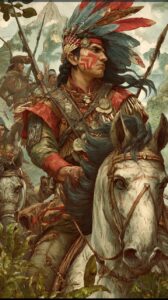
Ai image
The 10-Cent War, better known as the War of the Pacific, Nitrate War, or Saltpeter War, was fought between 1879 and 1884 between Chile and the allied forces of Bolivia and Peru. The conflict arose from disputes over territory and valuable nitrate deposits in the Atacama Desert, one of the driest regions on Earth.
At the time, Aníbal Pinto served as the President of Chile, while Hilarión Daza was the 19th President of Bolivia.
The Nitrate War
The war is often referred to as the Nitrate War because of the vast nitrate reserves found in the Atacama Desert. During the nineteenth century, nitrate was a highly valuable resource used in the production of fertilizers and explosives, making control of these deposits economically significant.
The 1874 Boundary Treaty
In 1874, Chile and Bolivia signed a boundary treaty that established the terms governing economic activities in the disputed region. Under the agreement, Bolivia promised not to impose any new taxes on Chilean mining companies operating in the Atacama Desert for a period of twenty-five years.
Violation of the Treaty
Despite the treaty, the Bolivian Congress later passed a law authorizing a tax of 10 cents per quintal on exported nitrate. Chile viewed this measure as a direct violation of the 1874 agreement.
Seizure of Property and the Outbreak of War
When a Chilean company refused to pay the newly imposed tax, Bolivian authorities confiscated its property and prepared it for auction. This action escalated tensions between the two countries and ultimately triggered the outbreak of war.

Ai image
The Theater of War
The conflict was fought across a vast region that included the Pacific Ocean, the Atacama Desert, the coastal deserts of Peru, and the mountainous interior of Peru.
During the first five months of the war, military operations were primarily naval in nature. Control of the sea was crucial because Chile depended on maritime supply routes to support its troops operating in the harsh desert environment. Once naval superiority had been established, the conflict shifted to land campaigns throughout the Atacama Desert and the Peruvian interior.
Outcome of the War
Chile achieved a series of significant military victories that eventually secured its dominance in the conflict. By the end of the war, Chile emerged as the clear victor, gaining control of valuable nitrate-rich territories.
Armistice and Peace Treaties
On October 20, 1883, Chile and Peru signed the Treaty of Ancón, formally ending hostilities between the two nations.In 1884, Bolivia signed an armistice agreement with Chile, bringing an end to active military operations. The conflict was finally settled in 1904, when Chile and Bolivia signed the Treaty of Peace and Friendship, establishing the terms of their postwar relationship.
Conclusion
The 10-Cent War was one of the most significant conflicts in South American history. Beyond reshaping regional borders, it left Bolivia landlocked after the loss of its Pacific coastline. The consequences of the war continue to influence relations among Chile, Bolivia, and Peru to this day.





Post Comment