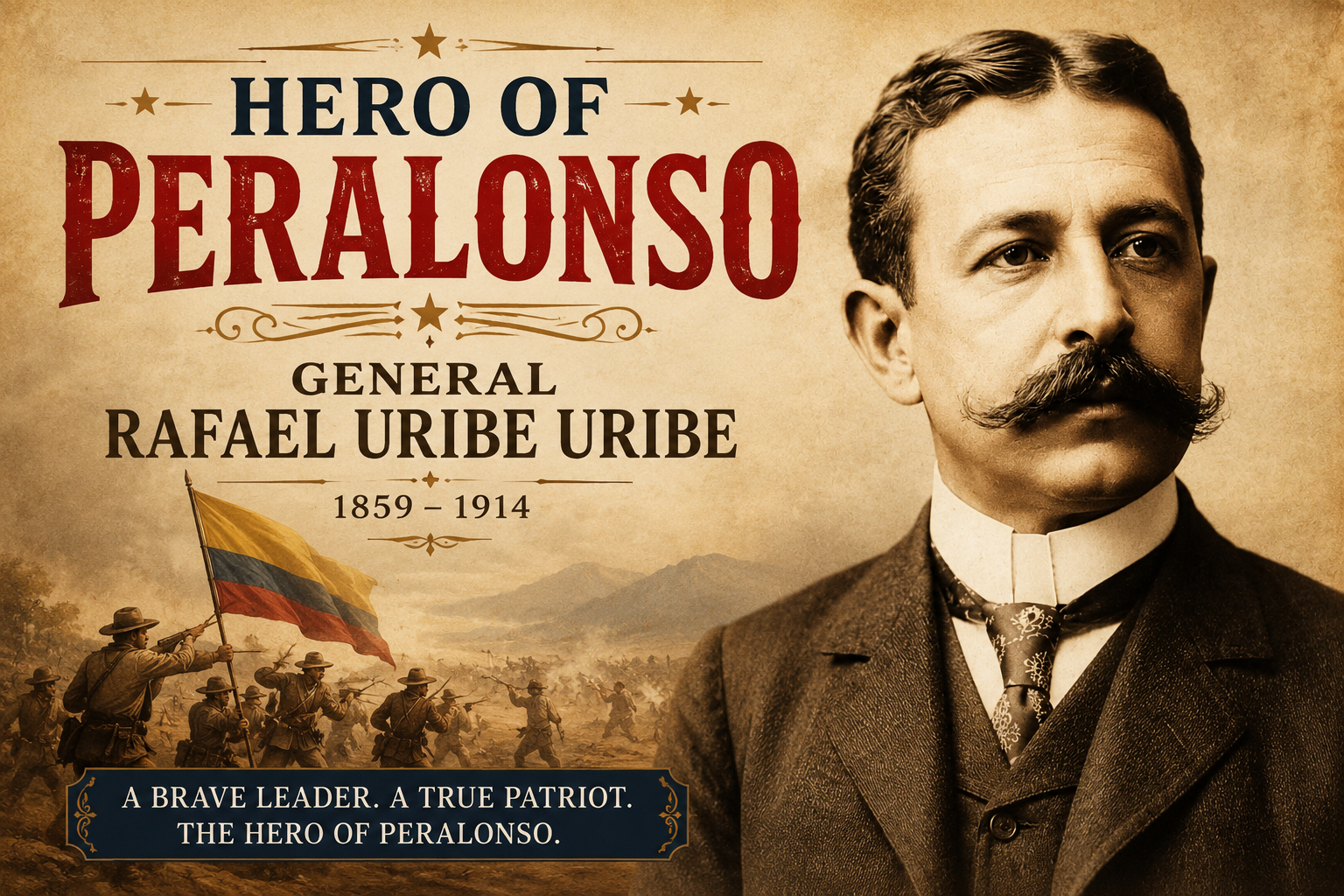
“Hero of Peralonso.”
General Rafael Uribe Uribe: The Visionary Military Leader and Reformer Who Shaped Colombia
Introduction
General Rafael Uribe Uribe (April 12, 1859 – October 15, 1914) was one of Colombia’s most influential military leaders, politicians, lawyers, journalists, and social reformers. Best known for his leadership during the Thousand Days’ War (1899–1902), he became a symbol of courage, liberal ideals, and the pursuit of social justice. Although he spent much of his life in political and military conflict, his vision extended far beyond the battlefield. He believed that education, democracy, workers’ rights, and national unity were essential for Colombia’s future.
Today, Rafael Uribe Uribe is remembered as one of the most significant figures in Colombian history. His military leadership, political reforms, and dedication to public service continue to inspire historians, scholars, and citizens across Latin America.
Early Life and Education
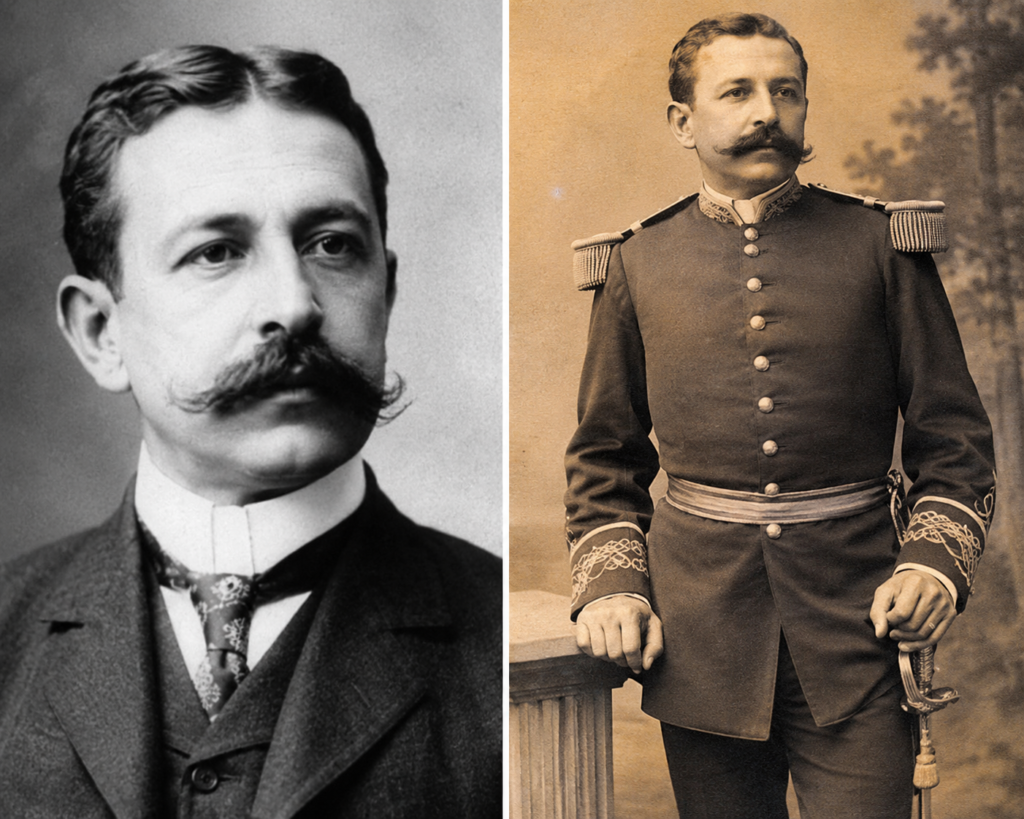
Rafael Uribe Uribe was born on April 12, 1859, in Valparaíso, Antioquia, Colombia. He grew up in a respected family that valued education and public service. From an early age, he displayed strong intellectual abilities and a natural talent for leadership.
He studied law and became a successful attorney, but his interests extended well beyond the courtroom. He developed a passion for journalism, history, economics, and politics. Through his writings and speeches, he advocated for democratic reforms and encouraged greater political participation among ordinary citizens.
Entry into Politics
During the late nineteenth century, Colombia was deeply divided between two major political parties: the Liberal Party and the Conservative Party. Conservatives favored a strong centralized government and close ties with the Catholic Church, while Liberals supported regional autonomy, civil liberties, and broader democratic participation.
Uribe Uribe became one of the leading voices of the Liberal Party. He believed Colombia needed political reform, equal opportunities, and modernization. His progressive ideas earned him both loyal supporters and powerful political opponents.
Military Career and the Thousand Days’ War
In 1899, political tensions erupted into the Thousand Days’ War, one of the bloodiest civil wars in Colombian history. Because Panama was still a department of Colombia, the conflict spread across the Isthmus of Panama as well.
General Rafael Uribe Uribe emerged as one of the Liberal Army’s most respected commanders. Known for his courage and strategic thinking, he led troops in several major military campaigns despite facing significant disadvantages in manpower and resources.
One of his greatest successes came during the Battle of Peralonso in December 1899. His leadership helped secure an important Liberal victory and earned him national recognition. Many supporters referred to him as the “Hero of Peralonso.”
However, the following year brought a devastating setback at the Battle of Palonegro, one of the longest and bloodiest battles of the war. Despite the defeat, Uribe Uribe refused to abandon his principles or his soldiers. His determination and resilience strengthened his reputation as a courageous military leader.
Although the Liberals ultimately lost the war, Uribe Uribe’s leadership and dedication earned the respect of both allies and political rivals.
Leadership Style
General Uribe Uribe believed that leadership meant serving alongside the people rather than simply commanding them. He often shared the hardships of his soldiers and remained committed to their welfare throughout the conflict.
His leadership combined military discipline with compassion. He encouraged education, responsibility, and ethical conduct among those who served under him. His ability to inspire loyalty made him one of the most admired Liberal commanders of his generation.
Political Career After the War
Following the end of the Thousand Days’ War in 1902, Uribe Uribe chose peace over continued conflict. Instead of promoting revenge, he worked toward national reconciliation and political stability.
As a member of Congress, he advocated for labor protections, agricultural development, public education, infrastructure improvements, and economic modernization. He believed Colombia could only prosper through peaceful democratic institutions rather than armed conflict.
His speeches frequently emphasized that political disagreements should be resolved through dialogue instead of violence.
Social Reform and Progressive Ideas
Beyond politics and military service, Rafael Uribe Uribe was an important social reformer. He strongly supported workers’ rights, improved working conditions, fair wages, and social protections for laborers.
He also promoted public education, scientific research, agricultural innovation, and industrial development. At a time when many traditional political leaders resisted change, Uribe Uribe embraced modernization and encouraged Colombia to prepare for the challenges of the twentieth century.
Many historians consider him one of Colombia’s earliest advocates for modern social and economic reforms.
Assassination
On October 14, 1914, Rafael Uribe Uribe was brutally attacked with hatchets outside the National Capitol in Bogotá. He suffered severe injuries and died the following day, October 15, 1914.
His assassination shocked the nation. Thousands of Colombians mourned his death, and many viewed him as a martyr who sacrificed his life in service to his country.
His funeral became one of the largest public gatherings in Colombia during that period, reflecting the deep respect many citizens had for his contributions.
Legacy
More than a century after his death, General Rafael Uribe Uribe remains one of Colombia’s most respected historical figures. Schools, parks, streets, public institutions, and monuments have been named in his honor.
Historians recognize him not only for his military achievements but also for his lasting influence on Colombian politics, democracy, labor reform, and national development.
His life demonstrates that true leadership extends beyond victory in battle. It includes dedication to justice, education, equality, and the well-being of future generations.
Interesting Facts
– Born on April 12, 1859, in Valparaíso, Antioquia, Colombia.
– Professionally trained as a lawyer before entering politics.
– Worked as a journalist and writer throughout his career.
– Became one of the Liberal Party’s most influential leaders.
– Commanded Liberal forces during the Thousand Days’ War.
– Earned recognition for his leadership during the Battle of Peralonso.
– Promoted labor rights, education, and democratic reforms after the war.
– Assassinated in Bogotá on October 15, 1914.
– Continues to be honored as one of Colombia’s greatest national leaders.
Conclusion
General Rafael Uribe Uribe devoted his life to serving Colombia through military leadership, political reform, and social progress. Although he experienced both victory and defeat, he never abandoned his commitment to democracy, justice, and national development. His contributions helped shape modern Colombia and inspired future generations to pursue peaceful reform instead of violence.
Today, Rafael Uribe Uribe stands as a lasting symbol of courage, resilience, and visionary leadership. His remarkable journey reminds us that genuine leadership is measured not only by success on the battlefield but also by the positive and lasting impact made on society.
Post Comment