Pepe Mujica: The World’s Poorest President Who Became One of the Richest Men in Values
The Extraordinary Life of José “Pepe” Mujica
Introduction
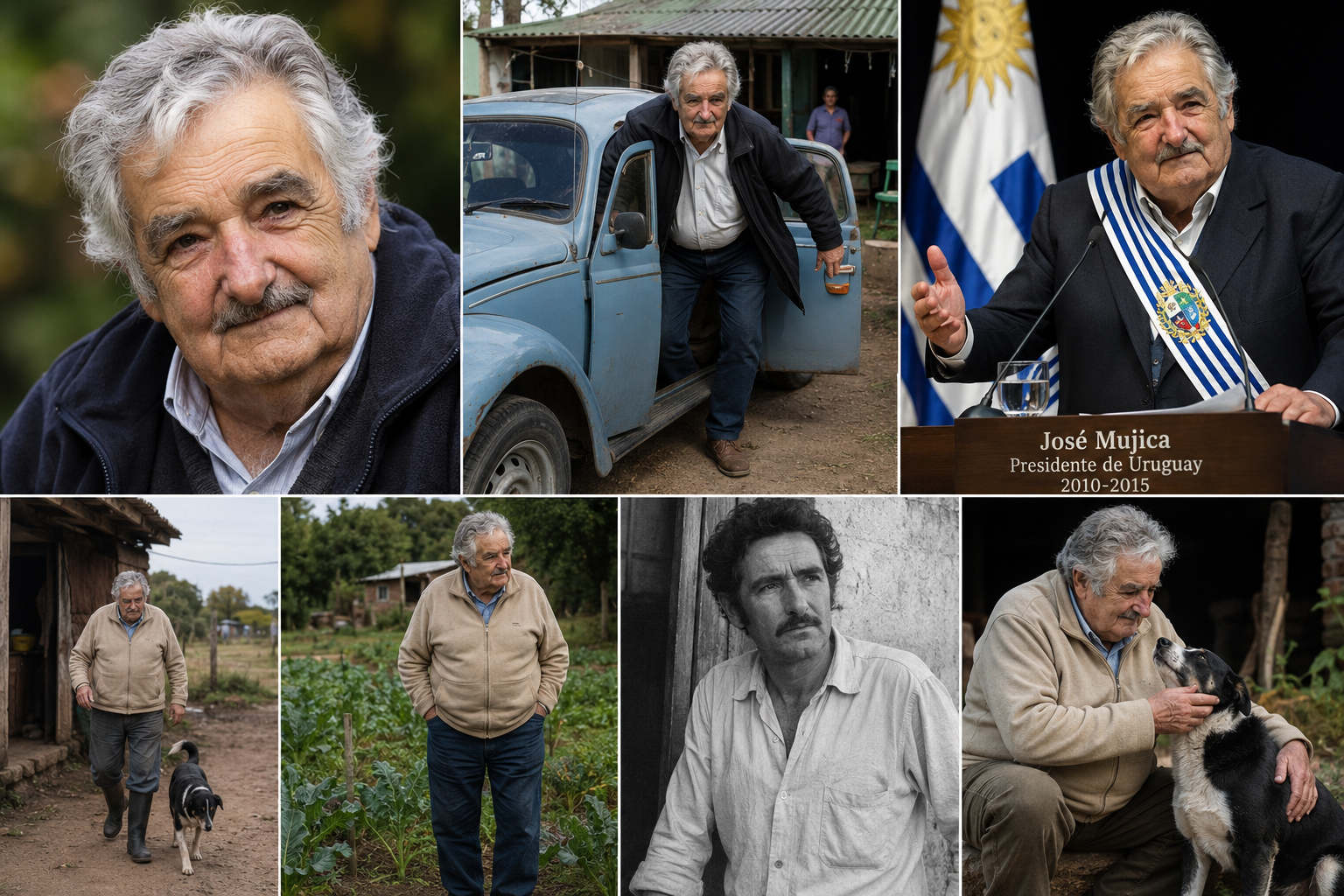
History remembers many presidents for their military victories, economic reforms, or political influence. However, very few leaders have earned worldwide admiration because of the way they chose to live. , the former President of Uruguay, became internationally famous as “The World’s Poorest President.” Yet this title never truly described him. He was not poor in character, wisdom, or generosity. Instead, he chose a life of simplicity while serving as the leader of an entire nation.
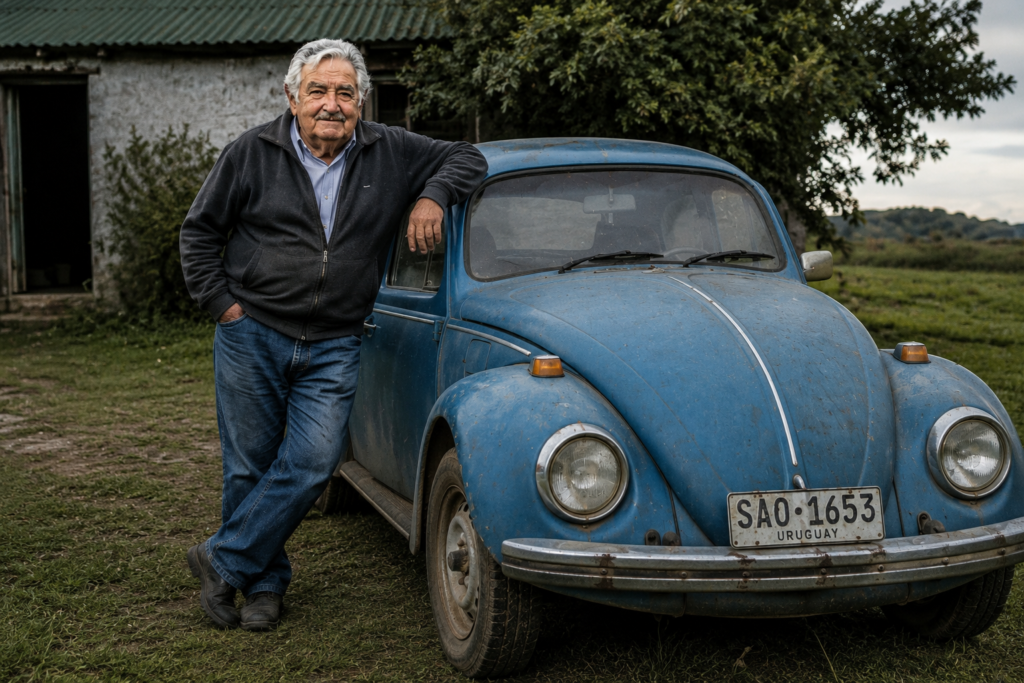
Unlike many world leaders who surrounded themselves with luxury, expensive cars, and lavish residences, Mujica continued living on his small rural farm, drove his aging Volkswagen Beetle, and donated around 90 percent of his presidential salary to charitable causes and social programs. His philosophy challenged modern society’s obsession with wealth and consumption.
His life is an inspiring story of hardship, imprisonment, forgiveness, humility, and leadership. It proves that true success is measured not by what we own but by the values we live by.
Humble Beginnings
José Alberto Mujica Cordano was born on May 20, 1935, in Montevideo, Uruguay. His childhood was far from privileged. After the death of his father, his mother worked tirelessly to support the family by cultivating flowers and vegetables on a small farm.
Young Pepe spent countless hours helping his mother. These experiences shaped his personality. Working with the soil taught him discipline, patience, and respect for honest labor. Long before entering politics, he understood the struggles of ordinary working families.
While many children dreamed of becoming wealthy, Pepe learned that happiness often comes from simple things: meaningful work, family, friendship, and nature.
Growing Political Awareness
During the 1950s and 1960s, Uruguay faced economic instability, unemployment, and growing social inequality. Many young people believed significant political change was necessary.
Mujica became involved with the Tupamaros National Liberation Movement, an urban guerrilla organization that sought radical political and social change. This period of his life remains controversial. Supporters viewed the movement as resisting injustice, while critics considered it an armed insurgency.
Whatever one’s perspective, Mujica accepted enormous personal risks because he believed he was fighting for a better future.
Years of Imprisonment
His involvement eventually led to repeated arrests. He survived multiple gunshot wounds before being captured.
For nearly fourteen years—much of it under Uruguay’s military dictatorship—Mujica endured harsh imprisonment, including long periods of solitary confinement and severe isolation.
These years tested both his body and mind.
Instead of allowing hatred to consume him, he developed extraordinary emotional strength. Later in life, he often explained that prison taught him patience, resilience, and the importance of appreciating freedom.
His suffering transformed his understanding of leadership and human dignity.
A New Beginning Through Democracy
When democracy returned to Uruguay, Mujica chose a peaceful political path.
Rather than seeking revenge against those responsible for his imprisonment, he embraced reconciliation. He believed that nations move forward only when people learn to forgive without forgetting history.
His calm and thoughtful approach earned increasing public respect.
He served as a legislator, later as Minister of Livestock, Agriculture, and Fisheries, gradually becoming one of Uruguay’s most trusted political leaders.
In 2010, he was elected President of Uruguay.
Becoming the President of Uruguay
On March 1, 2010, José “Pepe” Mujica became the 40th President of Uruguay. For many people, his election symbolized hope, reconciliation, and a new chapter in the country’s democratic history.
Most newly elected presidents move into luxurious official residences, travel in expensive motorcades, and enjoy the privileges of high office. Mujica made a different choice.
He refused to live in the presidential palace.
Instead, he remained in the modest farmhouse where he had lived with his wife, Lucía Topolansky. Their home was surrounded by flowers, trees, and vegetable gardens rather than guards and grand buildings. The farmhouse lacked many of the luxuries commonly associated with world leaders, but to Mujica it represented freedom, peace, and an honest way of life.
The Famous Volkswagen Beetle
One of the most recognizable symbols of Pepe Mujica’s humility was his light-blue 1987 Volkswagen Beetle.
While many presidents traveled in luxury vehicles worth hundreds of thousands of dollars, Mujica continued driving his old Beetle. The car became famous around the world and was photographed by journalists from dozens of countries.
At one point, a foreign businessman reportedly offered a large sum of money to buy the car. Mujica politely declined because, for him, it was never about the car’s value—it represented his way of life.
The Volkswagen Beetle became an international symbol proving that dignity and leadership do not depend on expensive possessions.
Donating Most of His Salary
Perhaps the most extraordinary aspect of Mujica’s presidency was his financial generosity.
Instead of keeping his full presidential salary, he donated around 90 percent of it to charities and programs that supported poor families, small entrepreneurs, and social causes.
After making those donations, he chose to live on the same modest income as many ordinary Uruguayans.
He often explained that he did not need more money because he already had everything necessary for a meaningful life.
His actions inspired millions because he practiced what he preached.
“I Am Not Poor”
International newspapers often described Mujica as “The World’s Poorest President.”
He disagreed with the label.
In interviews, he explained that poverty is not defined by owning few possessions.
He believed true poverty exists when people constantly need more and become prisoners of endless consumption.
One of his most memorable ideas can be summarized as:
«A person who always wants more will never have enough.»
This simple philosophy challenged the modern belief that success equals luxury.
Leadership Through Example
Many politicians speak about honesty, sacrifice, and public service.
Mujica demonstrated these values every day.
He worked on his farm even while serving as president.
He welcomed journalists into his simple home without trying to impress them with luxury.
He preferred ordinary clothes instead of expensive designer suits whenever protocol allowed.
Most importantly, he treated people from every social class with respect.
Because of this consistency, people trusted him.
His greatest strength was not his speeches—it was the example he set through his own life.
Lessons for Modern Society
Pepe Mujica often spoke about the dangers of excessive consumerism.
He argued that modern society encourages people to spend their entire lives earning money to buy things they do not truly need.
According to him, the real cost of buying unnecessary possessions is not money—it is time.
When people spend years working only to purchase more material goods, they lose precious moments that could have been spent with family, friends, or pursuing meaningful dreams.
His philosophy encouraged people to ask an important question:
Are we owning our possessions, or are our possessions owning us?
Respect Around the World
Even leaders who disagreed with Mujica’s politics often respected his honesty.
He became a sought-after speaker at universities, international conferences, and environmental forums.
His speeches focused on:
– Simplicity
– Democracy
– Environmental responsibility
– Human dignity
– Equality
– Freedom
– Compassion
Unlike many public figures, he never tried to create a glamorous public image.
His authenticity became his greatest strength.
Why His Story Matters
Pepe Mujica’s life reminds us that leadership is not measured by wealth or power.
A truly great leader inspires trust through actions.
He proved that:
– Humility earns lasting respect.
– Forgiveness is stronger than revenge.
– Public service should never become personal enrichment.
– Happiness comes from purpose, not possessions.
– Character is more valuable than wealth.
His extraordinary journey—from a poor farmer’s son to a prisoner, and finally to the President of Uruguay—continues to inspire people across the world.
His life demonstrates that simplicity is not weakness.
It is strength.
A President Who Never Changed
When José “Pepe” Mujica completed his presidential term in 2015, many expected him to retire to a comfortable life. Instead, he returned to the same farmhouse where he had always lived.
There was no mansion waiting for him, no luxury estate, and no extravagant lifestyle. He continued growing flowers, spending time with his wife, and living peacefully in the countryside.
For Mujica, becoming president had never been about status. It had been about serving the people of Uruguay.
This consistency made him different from many public figures. He remained the same person before, during, and after holding the nation’s highest office.
A Voice Heard Around the World
Although Uruguay is a relatively small country, Pepe Mujica’s ideas reached every corner of the globe.
His speeches at international gatherings attracted millions of viewers online because they discussed issues that affect everyone—not just politicians.
He spoke about:
– The importance of protecting nature.
– The dangers of endless consumerism.
– The value of freedom.
– Living with purpose instead of chasing possessions.
– Building societies based on compassion and equality.
His words resonated with students, entrepreneurs, environmentalists, and ordinary people who felt that modern life had become too focused on material success.
His Philosophy of Happiness
One of Mujica’s central beliefs was that happiness cannot be bought.
He often explained that many people spend the best years of their lives earning money to buy things they rarely need.
In doing so, they sacrifice the one resource they can never recover—time.
To him, real wealth meant having enough time to enjoy life, relationships, nature, and meaningful work.
His message was simple but powerful:
The goal of life is not to own everything. The goal is to live well.
Lessons for Entrepreneurs
Although Pepe Mujica was not a businessman, entrepreneurs can learn valuable lessons from his life.
1. Build trust through integrity.
People trusted Mujica because his actions matched his words. In business, credibility is one of the most valuable assets.
2. Stay authentic.
He never pretended to be someone else. Strong brands and respected leaders are built on authenticity.
3. Focus on long-term value.
Instead of chasing short-term rewards, Mujica believed in creating lasting positive impact—a principle that also applies to successful businesses.
4. Success is more than profit.
Financial success matters, but lasting success also includes ethics, purpose, and contribution to society.
Lessons for Young People
For young readers, Pepe Mujica’s journey offers timeless guidance:
– Your background does not define your future.
– Hard work develops character.
– Failure and suffering can become powerful teachers.
– Forgiveness is a sign of strength.
– Simplicity often brings greater peace than luxury.
– Never sacrifice your values for success.
These lessons remain relevant in every generation.
Why People Still Admire Him
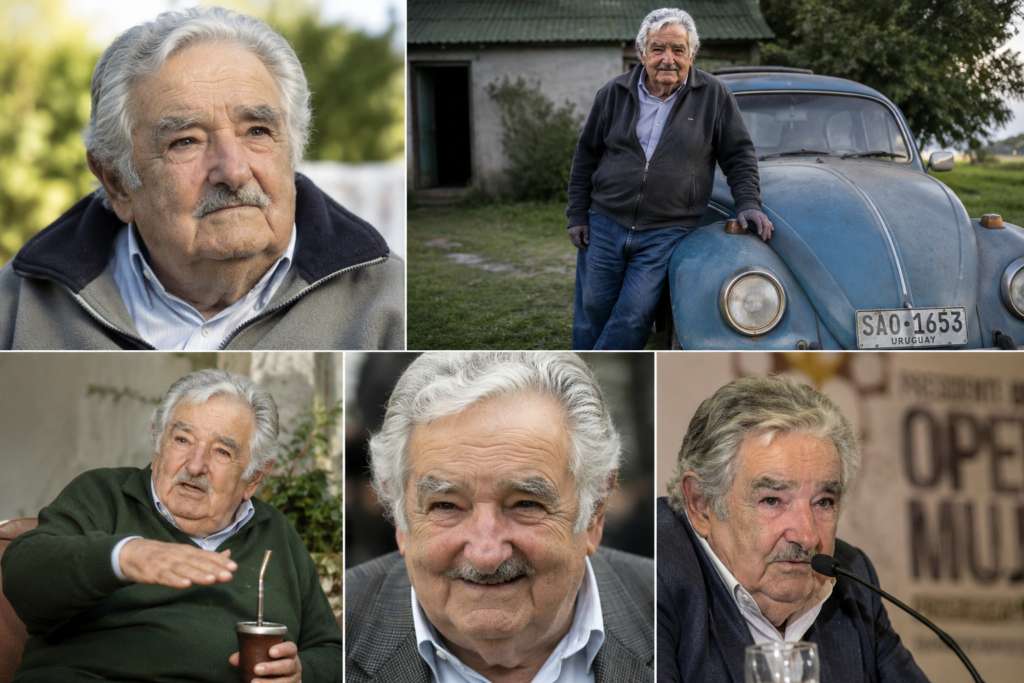
Many years after leaving office, people around the world continue to admire Pepe Mujica because he represented something increasingly rare—authentic leadership.
He proved that power does not have to change a person’s character.
Instead of using his position to become richer, he used it to help others.
Instead of seeking comfort, he chose responsibility.
Instead of demanding admiration, he earned it naturally.
His Lasting Legacy
Pepe Mujica’s legacy extends far beyond Uruguay.
He will be remembered as:
– A leader who valued people above power.
– A president who lived like an ordinary citizen.
– A man who transformed suffering into wisdom.
– A global symbol of humility, simplicity, and integrity.
His life continues to inspire millions to rethink what success truly means.
Post Comment